OpenAI and Anthropic Lower Model Prices as Chinese Rivals Gain Users
OpenAI and Anthropic are promoting cheaper AI models as rising costs lead customers to consider alternatives from Moonshot and DeepSeek.
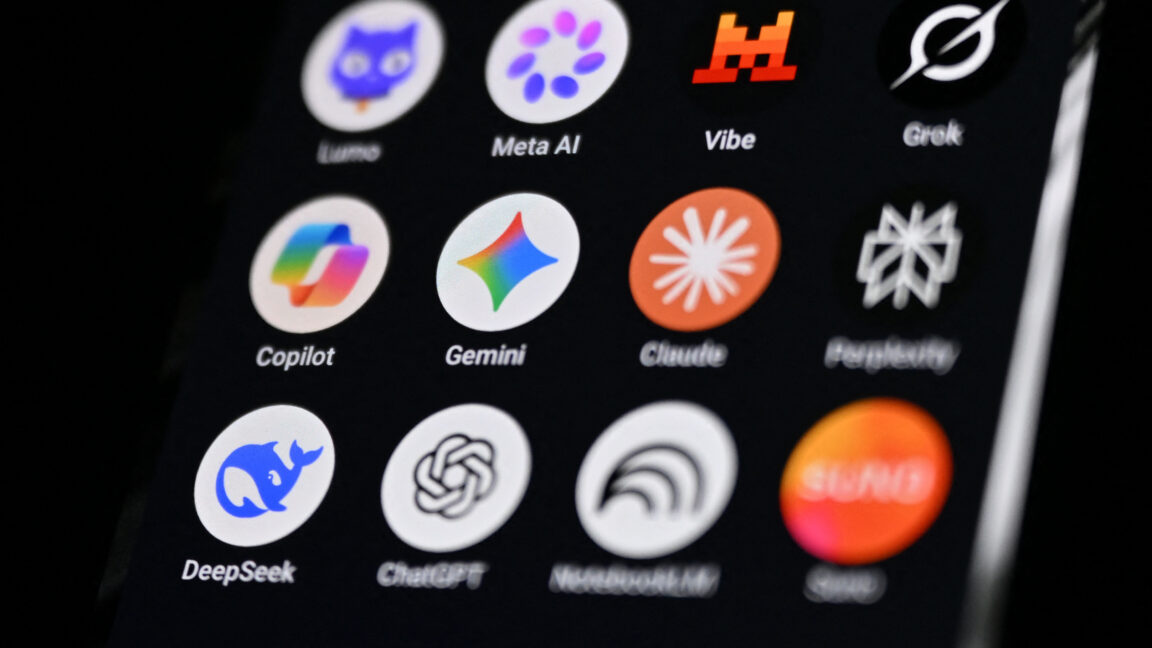
Rising artificial intelligence costs are putting pressure on US developers to offer more affordable models. OpenAI and Anthropic are responding with lower-priced systems as cost-conscious customers consider alternatives from Chinese companies, including Moonshot and DeepSeek.
The emerging competition is not solely about which company can offer the most capable model. Price is becoming a more prominent part of the decision as businesses seek to control growing AI bills, reduce usage, or move workloads to cheaper options.
Rising AI costs are changing customer behavior
Companies are increasingly examining how much they spend on AI services. According to the source report, higher bills are prompting some organizations to curb their usage and search for less expensive models.
That shift creates a challenge for leading US AI labs. OpenAI and Anthropic must continue promoting the capabilities of their systems while also keeping prices attractive to customers that have multiple alternatives.
The current dynamic centers on several related developments:
- Businesses are facing rising AI costs.
- Some customers are reducing their use of AI services.
- Others are switching to lower-priced models.
- Chinese developers are gaining users in Silicon Valley and Europe.
- US providers are releasing or repricing models to compete for budget-conscious demand.
These trends are helping turn model pricing into a more visible competitive tool.
OpenAI cuts the price of GPT-5.6 Luna
OpenAI recently announced an 80 percent price reduction for GPT-5.6 Luna. The company describes Luna as its “fastest and most affordable model,” positioning it as an option for users who place a high priority on speed and cost.
The scale of the reduction illustrates how aggressively OpenAI is responding to pricing pressure. However, the supplied report does not provide the model’s absolute price, billing structure, or details about how the new rate compares with offers from other developers.
It is also important to distinguish the company’s description of Luna from an independent comparison. OpenAI’s characterization emphasizes affordability and speed, but the report does not include benchmark results or direct tests against Chinese alternatives.
Even so, an 80 percent cut gives existing and prospective customers a clear reason to reconsider the model if cost had previously limited their usage.
Anthropic promotes lower-cost frontier intelligence
Anthropic is taking a related approach with Claude Opus 5. The company says the model offers “frontier intelligence” at half the price of Fable 5, which the report identifies as Anthropic’s most capable model.
This is a different type of pricing comparison from OpenAI’s announcement. OpenAI reduced the price of GPT-5.6 Luna by 80 percent, while Anthropic is comparing the price of one model with another model in its own lineup.
The distinction matters when interpreting the announcements:
- OpenAI is highlighting a large price reduction for GPT-5.6 Luna.
- Anthropic is presenting Claude Opus 5 as a lower-priced alternative to Fable 5.
- Anthropic continues to identify Fable 5 as its most capable model.
- Neither announcement, based on the supplied information, establishes a direct price or capability comparison between OpenAI and Anthropic.
Both companies are nevertheless delivering a similar message: customers do not necessarily have to choose the highest-priced option to access advanced AI capabilities.
Chinese developers gain ground beyond China
Lower-priced Chinese models are contributing to the pressure on US labs. Moonshot and DeepSeek are among the developers benefiting as businesses look for less expensive alternatives.
Their reach is not described as limited to their domestic market. The report says Chinese providers are making inroads with users from Silicon Valley to Europe, indicating that the competition for cost-sensitive AI customers spans major technology and business markets.
The supplied information does not quantify their gains or identify specific customers. It also does not provide direct pricing figures for Moonshot or DeepSeek. The central point is that their cut-price alternatives are attracting attention at a time when organizations are scrutinizing AI spending.
For OpenAI and Anthropic, this means pricing decisions are being shaped by more than competition with each other. They are also responding to developers that are using lower costs to appeal to customers across different regions.
What the price competition means for buyers
The announcements give buyers more lower-cost options, but the relative percentages require careful reading. An 80 percent price cut and a model offered at half the price of another model are not directly equivalent comparisons.
Organizations evaluating the offers would need the underlying prices and their own expected usage to determine the practical savings. Those details are not included in the supplied report, nor is there a common capability comparison across GPT-5.6 Luna, Claude Opus 5, Fable 5, and the Chinese alternatives.
For now, the clearest change is strategic: major US AI companies are making affordability a central part of how they present new and existing models. That emphasis reflects growing sensitivity to AI bills and the increasing availability of cheaper competitors.
Conclusion
OpenAI’s 80 percent price cut for GPT-5.6 Luna and Anthropic’s launch of Claude Opus 5 at half the price of Fable 5 show how cost competition is reshaping the AI market. As Moonshot and DeepSeek attract users in Silicon Valley and Europe, leading US labs are under pressure to pair advanced capabilities with prices that businesses can sustain.
Original reporting: Ars
Originally reported by Ars.