Tottenham Hotspur cuts stadium virtualization licensing fees by over 85%
Tottenham Hotspur replaced its stadium’s VMware deployment with HPE virtualization and cloud-management tools, cutting reported licensing fees by over 85 percent.
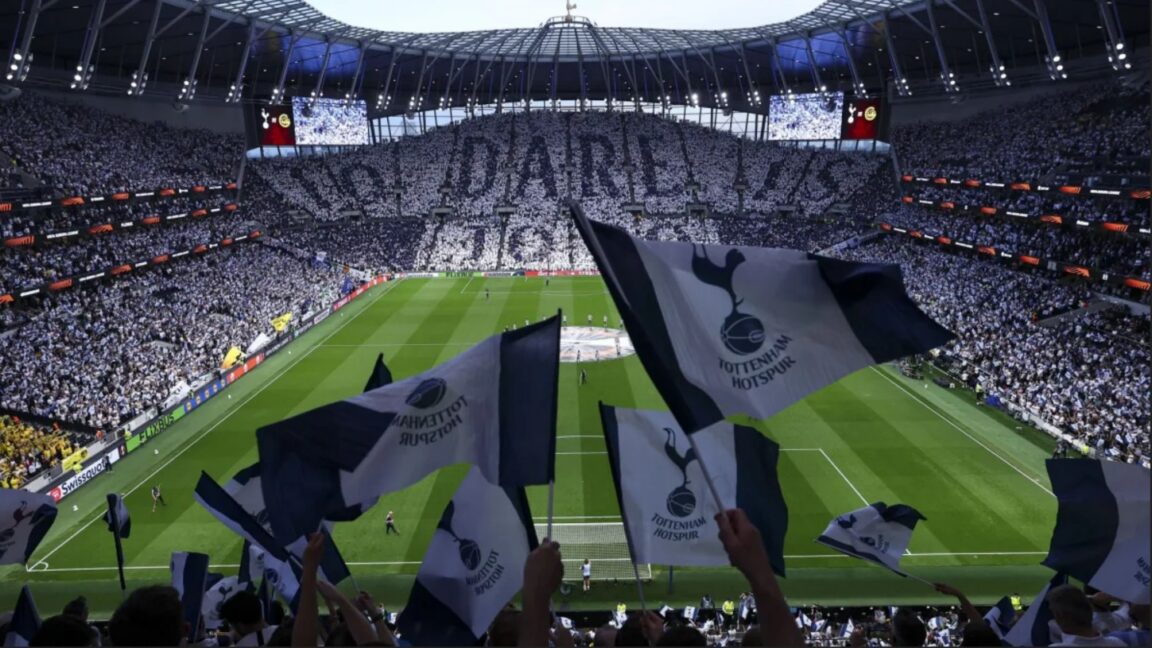
Tottenham Hotspur has replaced the VMware deployment supporting its stadium infrastructure with virtualization and cloud-management technology from Hewlett-Packard Enterprise. The Premier League soccer club says the migration has reduced its licensing fees by more than 85 percent.
The organization has not revealed which VMware products it previously used, the size of the deployment, or the amount it paid before the change. However, the available details show that the project extended beyond swapping one virtualization product for another: Tottenham also moved its stadium’s server, storage, and networking infrastructure to HPE solutions managed through the company’s GreenLake platform.
What Tottenham changed
Tottenham’s previous stadium environment included a VMware instance, although the club has not identified the specific VMware products involved. That system has now been replaced by HPE’s Morpheus VM Essentials, also known as VME.
VME provides the virtualization layer underpinning the new setup. The wider infrastructure transition covers three core areas:
- Server infrastructure
- Storage infrastructure
- Networking infrastructure
Those systems have moved to HPE solutions delivered through GreenLake, HPE’s hybrid cloud management platform. This makes the change a broader infrastructure and management project rather than a narrowly defined software replacement.
Tottenham confirmed the migration and cost reduction to The Register. Rob Pickering, the club’s chief technology officer, said the environment is “underpinned by” VME and HPE’s OpsRamp software.
HPE’s role in the new environment
Alongside VME, Tottenham is using OpsRamp, HPE software designed for hybrid and multi-cloud environments. HPE is also responsible for the hybrid cloud-managed service.
Based on the disclosed information, the new arrangement combines several elements from one provider:
- VME for virtualization
- OpsRamp for hybrid and multi-cloud operations
- GreenLake as the delivery and management platform
- HPE server, storage, and networking solutions
- An HPE-managed hybrid cloud service
This structure places HPE in charge of both the underlying technology portfolio and the managed service associated with the stadium environment. Tottenham has not provided further details about the service terms, architecture, migration process, or operational responsibilities retained by its internal technology team.
Understanding the reported savings
The headline result is a reduction of more than 85 percent in licensing fees. That figure relates specifically to licensing and should not be interpreted as an 85 percent reduction in Tottenham’s total infrastructure or technology spending.
The club has not disclosed the monetary value behind the percentage. It also has not said whether the comparison includes support, managed services, hardware, migration work, or other operational expenses. Without those figures, it is not possible to calculate the annual cash saving or compare the full cost of the former and current environments.
The information available establishes two points: Tottenham replaced its stadium’s VMware deployment with VME, and it reports that licensing fees fell by more than 85 percent after the move. Broader conclusions about total cost of ownership would require financial and contractual details that the organization has not released.
Details that remain undisclosed
Several aspects of the migration are still unknown. Tottenham has not identified:
- The VMware products previously deployed
- How much it paid VMware or its current owner, Broadcom
- The number of servers or virtual machines involved
- The project’s migration schedule
- The cost of the HPE agreement
- The duration of the managed-service contract
- Whether all stadium workloads moved at once
These omissions limit direct comparisons between the former VMware environment and the HPE deployment. They also mean the reported licensing reduction cannot be independently translated into a specific financial amount from the information provided.
The deployment is explicitly tied to Tottenham’s stadium infrastructure. The club has not said whether the migration affects other parts of its technology estate or whether VMware remains in use elsewhere in the organization.
Conclusion
Tottenham Hotspur’s stadium infrastructure is now based on HPE server, storage, networking, virtualization, and cloud-management products delivered through GreenLake. VME replaces the stadium’s VMware instance, while OpsRamp supports the hybrid and multi-cloud environment and HPE operates the managed service.
The club reports licensing savings of more than 85 percent, but it has not disclosed the products, prices, or contract details needed for a complete cost comparison. The result is therefore a notable reported reduction in licensing fees, not a published assessment of the project’s overall financial impact.
Original reporting: Ars
Originally reported by Ars.