Waymo Raises Lobbying Spend as Robotaxi Strategies Diverge
Waymo more than doubled its federal lobbying spending as it promotes fully driverless taxis and challenges Uber’s staggered deployment model.
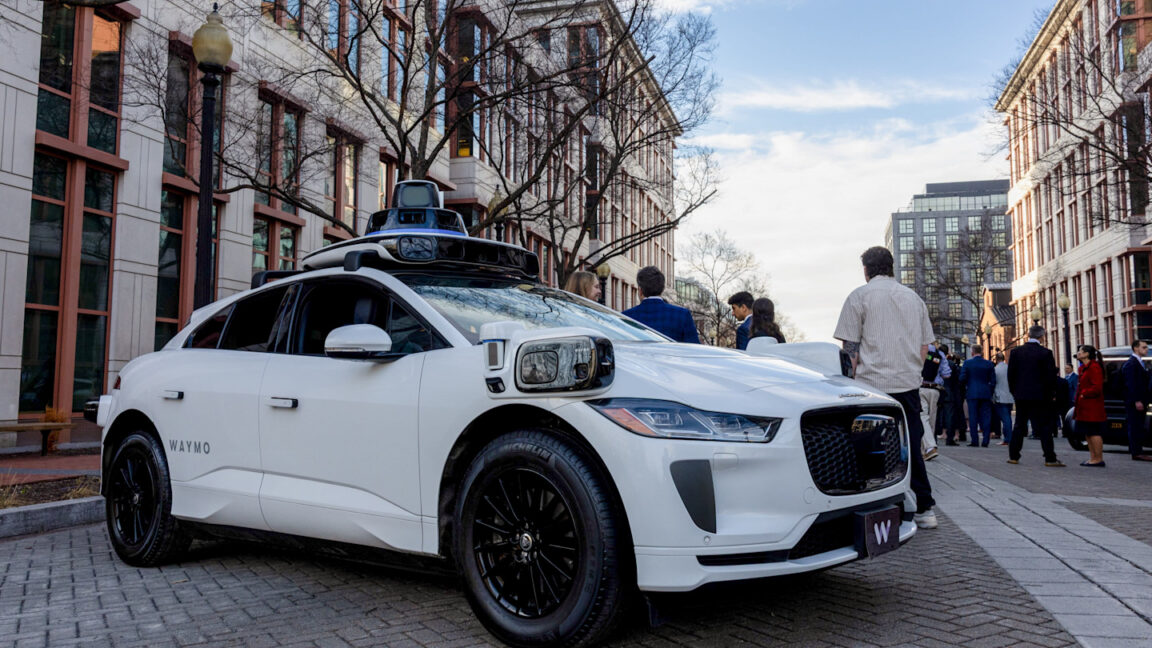
Waymo has significantly increased its federal lobbying spending as the Alphabet-owned company seeks regulatory support for fully autonomous taxi services in the United States. The higher outlay brings Waymo closer to Uber’s lobbying level and highlights the companies’ competing approaches to the future of ride-hailing.
The disagreement is not simply about which business will deploy more robotaxis. Waymo and Uber are promoting different models for introducing autonomous vehicles into commercial service. Waymo favors a faster path to fully driverless operations, while Uber supports a more gradual rollout that combines robotaxis with human drivers.
Waymo more than doubles its spending
Federal filings show that Waymo spent more than $1 million lobbying the US government between April and June. That total was more than twice the amount it spent during the same period a year earlier.
The increase places Waymo’s federal lobbying expenditure close to Uber’s. It also puts the autonomous-driving company well ahead of other businesses pursuing robotaxi technology, including Amazon-owned Zoox and Tesla.
The available figures establish the relative scale of the spending but do not identify specific policy proposals, agencies or officials targeted by the lobbying. They nevertheless show that Waymo has made federal engagement a larger part of its effort to advance commercial autonomous transportation.
Key details from the filings include:
- Waymo spent more than $1 million from April through June.
- Its spending more than doubled compared with a year earlier.
- The total was close to Uber’s federal lobbying expenditure.
- Waymo spent substantially more than Zoox and Tesla.
Waymo seeks a faster driverless pathway
Waymo’s position centers on fully autonomous taxi services. The company is seeking to persuade US regulators to create a clearer and faster route for commercial vehicles that operate without human drivers.
That objective aligns with Waymo’s broader vision for robotaxis: a service built around vehicles capable of operating on their own rather than relying on a human driver as part of the standard model. Its increased lobbying spending indicates that regulatory policy is an important part of pursuing that vision.
The source material does not specify which regulatory changes Waymo wants or provide a timetable for obtaining them. It also does not indicate that higher lobbying expenditure has produced any particular decision. The filings document spending and strategic emphasis, not a regulatory outcome.
Uber favors a staggered transition
Uber is advocating a different route. Rather than moving directly toward a ride-hailing system dominated by fully driverless taxis, the company supports a staggered rollout in which robotaxis operate alongside human-driven vehicles.
This approach would maintain a role for human drivers while autonomous vehicles are introduced into the same broader market. Based on the information available, the central distinction is the pace and structure of deployment: Waymo wants a quicker route to fully driverless commercial service, while Uber favors a mixed model during the transition.
The two positions represent competing visions of how autonomy should be incorporated into ride-hailing. One emphasizes clearing the way for driverless fleets; the other allows autonomous and human-driven services to operate together.
Zoox and Tesla trail in lobbying expenditure
Waymo and Uber are not the only companies associated with autonomous vehicles and robotaxis. Amazon’s Zoox and Tesla are also part of the competitive field identified in the federal spending comparison.
However, both companies’ lobbying expenditures were well below Waymo’s during the period covered by the filings. No precise totals for Zoox or Tesla were included in the source material, so the comparison is limited to their relative position.
The gap does not, by itself, measure technological progress, readiness for commercial service or influence over regulators. Lobbying disclosures show how much companies report spending on government engagement, but they do not establish which robotaxi strategy will ultimately succeed.
What the spending signals
Waymo’s sharp increase shows that the debate over robotaxis is taking place in Washington as well as within the technology and transportation industries. Regulatory clearance is central to Waymo’s goal of expanding fully autonomous commercial taxi services, making federal lobbying one component of its competitive strategy.
The comparison with Uber is particularly notable because the companies are not asking for identical deployment models. Their similar level of lobbying expenditure accompanies a substantive disagreement over whether the market should move faster toward fully driverless service or use a staged system that retains human drivers alongside autonomous vehicles.
Conclusion
Waymo’s more than $1 million in federal lobbying spending marks a substantial year-over-year increase and puts the company near Uber’s level. The spending underscores a growing policy contest over how robotaxis should enter the US ride-hailing market. Waymo is pressing for a faster driverless future, while Uber is backing a gradual transition that combines autonomous vehicles with human drivers.
Original reporting: Ars
Originally reported by Ars.